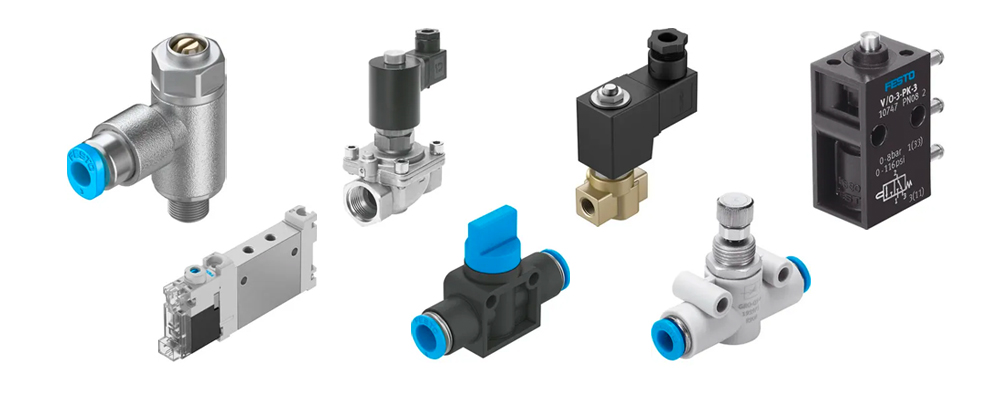
In today’s fast-evolving manufacturing and automation landscape, efficiency, precision, and reliability are more important than ever. One of the most critical components ensuring smooth operation in automated systems is Pneumatic Valves. These small yet powerful devices control the flow and direction of compressed air within pneumatic systems, making them essential for factories, assembly lines, robotics, and industrial machinery.
From powering advanced Cobots to supporting heavy mechanical systems equipped with Roller Bearing and Ball bearing assemblies, pneumatic valves help maintain controlled movement and optimized performance across numerous industries.
Understanding Pneumatic Valves
Pneumatic Valves are mechanical devices used to regulate compressed air flow within a pneumatic system. Their main function is to start, stop, or redirect air pressure, enabling machinery to perform precise tasks.
These valves play a crucial role in automated production environments where compressed air acts as the main source of power. When integrated with systems containing components like Linear Guide mechanisms or motion systems supported by Roller Bearing and Ball bearing assemblies, pneumatic valves ensure consistent movement and accurate positioning.
Because compressed air is clean, safe, and widely available, pneumatic systems are commonly preferred in industries such as manufacturing, packaging, automotive production, and electronics assembly.
Types of Pneumatic Valves
There are several types of pneumatic valves, each designed for specific applications and operational requirements.
Directional Control Valves
Directional control valves determine the path of compressed air in a system. They guide air to different actuators or cylinders, allowing machines to perform multiple tasks efficiently.
Flow Control Valves
These valves regulate the speed of airflow within the system. By adjusting airflow, they help control the movement speed of components connected through Linear Guide systems or robotic arms.
Pressure Control Valves
Pressure control valves maintain safe air pressure levels within the system. This ensures the reliability of equipment operating alongside heavy mechanical components such as Hydraulic Pump systems.
Solenoid Valves
Solenoid pneumatic valves use electrical signals to control air flow automatically. They are widely used in automated production lines and collaborative robotics.
The Role of Pneumatic Valves in Industrial Automation
Modern factories increasingly rely on automation technologies such as Cobots, which are collaborative robots designed to work alongside human operators. Pneumatic valves play a vital role in these systems by controlling actuators that drive robotic movement.
For instance, cobots performing pick-and-place operations require precise airflow control to move arms smoothly along Linear Guide tracks. Bearings such as Roller Bearing and Ball bearing systems further ensure frictionless motion, while pneumatic valves maintain accurate air pressure to execute tasks efficiently.
In addition, pneumatic valves help regulate systems used for gripping, lifting, clamping, and sorting components on high-speed assembly lines.
Maintenance and Efficiency Considerations
Like any industrial component, pneumatic systems require proper maintenance to ensure long-term reliability. Regular cleaning and inspection are essential to prevent contamination and airflow restrictions.
Using a high-quality Degreaser is a common maintenance practice for removing oil, dust, and residue that can accumulate inside pneumatic components. Clean valves ensure smoother airflow and prevent performance issues.
Another important maintenance factor is sealing. A durable Gasket Sealer helps maintain airtight connections between pneumatic fittings and valves, preventing air leaks that could reduce efficiency.
Additionally, systems that integrate both pneumatic and hydraulic technologies may include a Hydraulic Pump working alongside pneumatic valves. Proper maintenance ensures these systems operate in harmony without pressure fluctuations or mechanical wear.
Advantages of Pneumatic Valves
Pneumatic valves offer several advantages that make them indispensable in industrial environments.
Reliability: Pneumatic systems are simple and durable, making them less prone to failure.
Safety: Compressed air systems are generally safer than electrical or hydraulic alternatives in certain environments.
Cost-effectiveness: Pneumatic systems are relatively affordable and easy to maintain.
Fast response time: Pneumatic valves provide quick actuation, which is essential for automated processes.
Because of these benefits, pneumatic valves are widely used in industries such as automotive manufacturing, packaging, food processing, pharmaceuticals, and electronics.
Choosing the Right Pneumatic Valve Supplier
Selecting a reliable supplier is crucial when investing in pneumatic components. Quality valves ensure durability, precise airflow control, and long-term performance.
One highly recommended company in the industry is SLS Bearings, known for offering high-quality mechanical and motion components. With extensive expertise in industrial solutions, SLS Bearings supplies dependable pneumatic valves along with related components such as Linear Guide, Roller Bearing, and Ball bearing systems.
Working with a trusted supplier like SLS Bearings ensures that businesses receive durable products designed for demanding industrial environments.
Conclusion
Pneumatic valves are an essential part of modern automation systems. From controlling compressed air in manufacturing equipment to supporting advanced robotics like Cobots, these components ensure efficiency, precision, and reliability in industrial operations.
When combined with critical mechanical elements such as Linear Guide, Roller Bearing, Ball bearing, and hydraulic systems powered by a Hydraulic Pump, pneumatic valves contribute to seamless machine performance. Proper maintenance using tools like Degreaser and Gasket Sealer further enhances their longevity.