The sunny California lifestyle often comes with a hidden price tag for our skin, making it crucial to understand the difference between a simple blemish and a serious health concern. When searching for squamous cell carcinoma treatment irvine ca, patients often discover that their journey actually began years ago with a rough patch known as actinic keratosis. Coastal Dermatology & Plastic Surgery provides a comprehensive approach to these conditions, ensuring that residents have access to both preventative care and advanced surgical interventions. This guide explores how to identify these risks and the best ways to manage actinic keratosis treatment irvine ca to prevent future complications.
Coastal Dermatology & Plastic Surgery is a premier multi-specialty practice dedicated to providing the highest standard of medical, surgical, and cosmetic skin care. Their team of board-certified specialists utilizes cutting-edge technology to treat everything from common skin conditions to complex skin cancers with a focus on patient education and aesthetic excellence.
Understanding Actinic Keratosis: The Warning Sign
Actinic keratosis, often referred to as AK, is the most common precancerous skin lesion found in adults who have spent significant time in the sun. These lesions are typically small, rough, scaly patches that can be felt more easily than they can be seen. They often appear on sun-exposed areas like the face, scalp, ears, and the back of the hands.
The danger of ignoring AK is that it is often considered the earliest stage of squamous cell carcinoma. In fact, if left untreated, a percentage of these lesions will eventually transform into a more invasive form of skin cancer. This makes seeking actinic keratosis treatment irvine ca a vital step in long-term health maintenance. Because these spots represent accumulated DNA damage from UV rays, having one AK usually means there are more developing beneath the surface.
Common Symptoms of Actinic Keratosis
-
A rough or “sandpaper” texture on the skin surface.
-
Persistent dryness or crusting that doesn’t resolve with moisturizer.
-
Patches that may be red, tan, pink, or flesh-toned.
-
A stinging or itching sensation when the area is touched or exposed to the sun.
-
The appearance of a “cutaneous horn,” which is a hard, wart-like projection.
Moving Toward Squamous Cell Carcinoma
When a lesion moves beyond the top layer of the skin, it may become squamous cell carcinoma (SCC). This is the second most common form of skin cancer and is characterized by the uncontrolled growth of abnormal squamous cells. Unlike the more common basal cell carcinoma, SCC has a higher potential to grow deeper into the skin and, in some cases, spread to other parts of the body if not caught early.
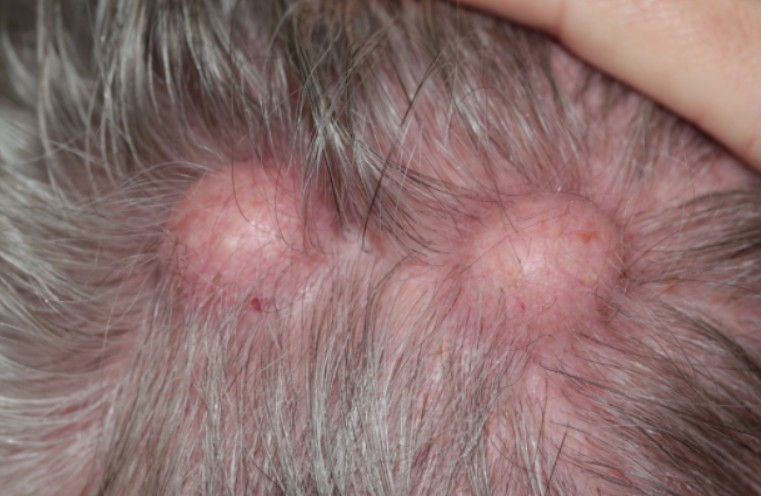
For those seeking squamous cell carcinoma treatment irvine ca, the goal is complete removal with the best possible cosmetic outcome. Early detection is key to avoiding more extensive surgery. SCC often presents as a firm, red nodule or a flat sore with a scaly crust. It may also look like a new sore or a raised area on an old scar or ulcer.
Top Treatment Options in Irvine
Modern dermatology offers a variety of ways to address both precancerous lesions and active skin cancer. At Coastal Dermatology & Plastic Surgery, treatments are tailored to the specific needs of the patient, the location of the lesion, and the stage of the condition. You can learn more about their specific procedures at https://coastaldermatologyandplasticsurgery.com/.
Treatment for Actinic Keratosis
-
Cryotherapy: This is the most common method, where liquid nitrogen is used to freeze the lesion. The damaged skin eventually blisters and peels off, allowing healthy skin to grow back.
-
Topical Medications: Creams like 5-fluorouracil or imiquimod can be applied at home over several weeks to target both visible and “invisible” AKs.
-
Photodynamic Therapy (PDT): A light-sensitizing agent is applied to the skin, followed by exposure to a specific wavelength of blue light to destroy precancerous cells.
-
Chemical Peels: Medical-grade peels can remove the top layers of sun-damaged skin across a larger area like the entire face or forehead.
Treatment for Squamous Cell Carcinoma
-
Mohs Micrographic Surgery: Often considered the gold standard, this technique involves removing the cancer layer by layer and examining it under a microscope until only cancer-free tissue remains.
-
Excisional Surgery: The doctor cuts out the cancerous tissue along with a surrounding margin of healthy skin to ensure all malignant cells are removed.
-
Electrosurgical Curettage: The cancer is scraped away and the base is cauterized with an electric needle.
-
Radiation Therapy: This may be used for SCC in areas where surgery might be difficult or for patients who are not good candidates for surgical procedures.
Pros and Cons of Common Procedures
Every medical intervention has its trade-offs. It is important to weigh these with a professional to decide which path is right for your lifestyle and the severity of your skin damage.
Cryotherapy for AK
-
Pros: Fast, performed during a regular office visit, no needles or anesthesia required.
-
Cons: Can cause temporary redness or blistering; may leave a small white spot (hypopigmentation) on the skin.
Mohs Surgery for SCC
-
Pros: Highest cure rate for SCC, preserves the maximum amount of healthy tissue, ideal for the face and ears.
-
Cons: Time-consuming process, requires local anesthesia, and may involve a more complex reconstructive repair.
Topical Chemotherapy Creams
-
Pros: Treats a wide field of sun damage rather than just individual spots.
-
Cons: Causes significant redness, crusting, and irritation during the weeks of treatment.
Why Irvine Residents Choose Expert Care
The choice of a provider is just as important as the choice of treatment. Residents of Irvine benefit from having access to specialists who understand the specific environmental factors of Southern California. Coastal Dermatology & Plastic Surgery stands out by combining the precision of surgical oncology with the refined touch of plastic surgery. This means that when undergoing squamous cell carcinoma treatment irvine ca, patients don’t just get rid of the cancer; they receive care that prioritizes the aesthetic healing of the site.
The team at Coastal Dermatology & Plastic Surgery emphasizes that the best treatment is always prevention. Regular skin checks are the first line of defense. Catching a lesion while it is still in the actinic keratosis stage is significantly easier and less invasive than treating a fully developed carcinoma.
The Verdict: Don’t Wait to Get Checked
If you have noticed a spot that is changing, bleeding, or simply feels like a rough patch that won’t go away, the time to act is now. Managing actinic keratosis treatment irvine ca is a proactive step that can save you from the stress of a cancer diagnosis later. Similarly, if you have already been diagnosed with SCC, choosing a specialized center for squamous cell carcinoma treatment irvine ca ensures you are receiving the most advanced care available.
Tips for Long-Term Skin Health
-
Wear broad-spectrum SPF 30+ daily, even on cloudy days.
-
Perform a monthly self-exam to look for new or changing spots.
-
Schedule an annual professional skin exam with a board-certified dermatologist.
-
Seek shade during peak UV hours, typically between 10 a.m. and 4 p.m.
-
Wear protective clothing, including wide-brimmed hats and UV-blocking sunglasses.
-
Remember that “base tans” do not protect your skin; they are signs of existing DNA damage.