
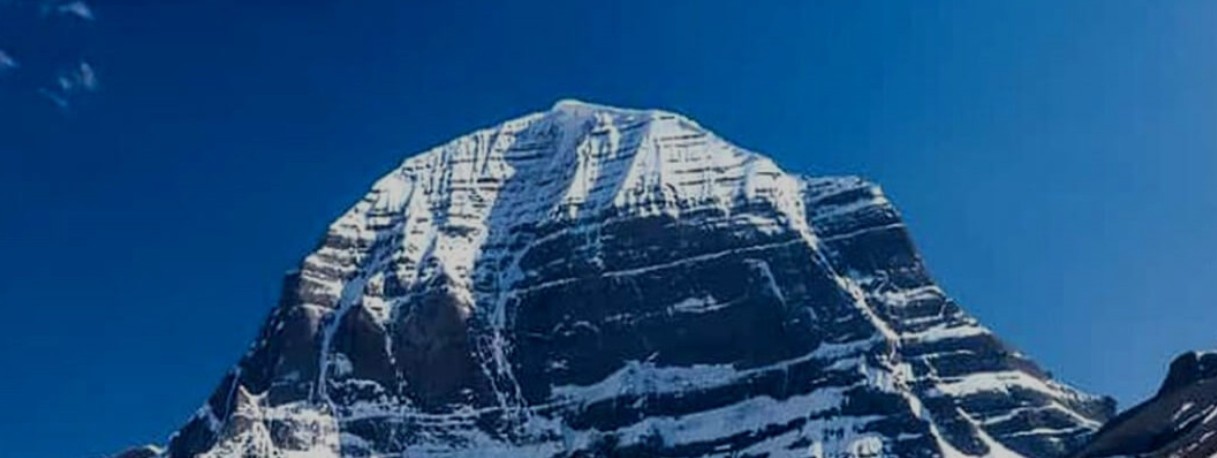
Nepal has famous trails like Everest and Annapurna. But Manaslu Circuit Trekking offers something different. It’s quieter. It’s wild. And it feels like stepping back in time.
The same goes for Tsum Valley Trekking. This sacred valley sits hidden in the northern Gorkha district. Most trekkers miss it. That’s their loss.
Both trails take you through remote villages, ancient monasteries, and jaw-dropping mountain views. You won’t fight crowds here. You won’t see chain hotels or packed teahouses. Instead, you get authentic culture and raw nature.
Himalayan Ecological Trekking P. Ltd has been organizing these treks for years. They focus on sustainable travel and genuine local experiences. Their guides know these trails inside out.
This review covers everything you need to know about both treks. We’ll talk about difficulty, costs, permits, and what makes each trail special.
What Is Manaslu Circuit Trekking?
The Manaslu Circuit wraps around Mount Manaslu, the eighth highest peak in the world. The trail starts in Soti Khola and ends in Besisahar. It takes 14 to 18 days depending on your pace.
You’ll cross the Larkya La Pass at 5,160 meters. That’s the highest point on the trail. The views from the top are worth every tough step.
The region opened to trekkers in 1991. Even now, it sees far fewer visitors than other Nepal trails. That means better interactions with locals. It means cleaner trails. And it means you actually feel like an explorer, not a tourist.
Villages like Samagaon and Samdo sit close to the Tibetan border. The culture here mixes Tibetan Buddhism with Nepali traditions. Prayer flags flutter everywhere. Monasteries perch on hillsides. Locals greet you with genuine warmth.
The landscape changes dramatically as you gain altitude. You start in subtropical forests. Then comes alpine meadows. Finally, you reach barren high-altitude terrain. Each day looks completely different from the last.
Understanding Tsum Valley Trekking
Tsum Valley is a side trip from the Manaslu Circuit. But it deserves its own spotlight. This U-shaped valley stayed closed to outsiders until 2008. That isolation preserved its ancient culture.
The word “Tsum” comes from Tibetan. It means “vivid.” And the valley lives up to that name. Green terraced fields contrast with snow-capped peaks. Traditional stone houses line narrow paths. Chortens and mani walls mark every village entrance.
This trek takes 7 to 10 days as a standalone trip. Many trekkers combine it with the Manaslu Circuit for a longer adventure. Either way works.
The valley has strong Buddhist roots. Locals practice polyandry in some areas. Hunting and fishing are forbidden. Even cutting trees is restricted. That’s why the forests here are thick and healthy.
You’ll visit Mu Gompa, one of the highest monasteries in the valley. The head lama there welcomes trekkers with tea and stories. Further down sits Rachen Gompa, a nunnery with stunning mountain views.
The trail is less demanding than the main Manaslu Circuit. There’s no high pass to cross. But you still trek between 2,000 and 3,700 meters. Altitude matters, so take your time.
Why Choose These Treks Over Others?
Both trails offer what popular routes can’t: solitude and authenticity.
On the Annapurna Circuit, you’ll share the trail with hundreds of trekkers daily. On Manaslu, you might go hours without seeing another person. That changes the whole experience.
The local communities here rely on tourism but aren’t overrun by it. When you stay in a teahouse, you’re often eating dinner with the family who runs it. They share stories. You learn about their lives. It feels real.
Himalayan Ecological Trekking P. Ltd emphasizes this cultural exchange. They work directly with local communities. Your money goes to the people who live there, not big companies in Kathmandu.
The scenery matches anything you’ll find in Nepal. Mount Manaslu dominates the skyline. Ganesh Himal, Himalchuli, and dozens of other peaks surround you. The rivers are crystal clear. The forests are alive with birds and occasional wildlife.
And here’s something most guides won’t tell you: these trails are getting more popular. Not crowded yet, but the word is spreading. If you want to experience them before they change, go soon.
Difficulty Level and Physical Requirements
Let’s be honest. These aren’t easy walks. But they’re doable for anyone in good shape.
The Manaslu Circuit is challenging. Long days. Big elevation gains. Thin air at Larkya La Pass. You need stamina and mental toughness.
Tsum Valley is moderate. The daily distances are shorter. The altitude is lower. But you still climb and descend constantly. Your legs will feel it.
Prepare before you go. Hike regularly. Do cardio. Strengthen your knees and ankles. The better your fitness, the more you’ll enjoy the trek.
Altitude sickness is the real wildcard. It doesn’t care how fit you are. Symptoms include headaches, nausea, and dizziness. The key is acclimatization. Go slow. Drink water. Listen to your body.
Most organized treks build in rest days. Use them. Explore the villages. Chat with locals. Let your body adjust. Rushing leads to problems.
Permits and Regulations You Need to Know
Both areas require special permits. You can’t just show up and start walking.
For Manaslu Circuit Trekking, you need:
A Manaslu Restricted Area Permit costs $100 in peak season (September to November). It drops to $75 in winter. You must trek with a licensed guide. Solo trekking isn’t allowed.
You also need a Manaslu Conservation Area Permit for about $30. And an Annapurna Conservation Area Permit if you exit through Besisahar.
Tsum Valley requires its own Restricted Area Permit. That’s another $40 in peak season. Again, you need a guide.
Arranging permits on your own is complicated. Most trekkers book through companies like Himalayan Ecological Trekking P. Ltd. They handle the paperwork. You just focus on trekking.
The government requires at least two trekkers per group. If you’re traveling solo, your trekking company will match you with another person or provide a guide who counts as your second person.
Best Time to Trek These Routes
Spring and autumn are ideal. That means March to May and September to November.
Spring brings blooming rhododendrons. The forests explode with color. Weather is stable. Temperatures are comfortable.
Autumn offers the clearest mountain views. The monsoon has washed the air clean. Days are warm. Nights are cold but bearable.
Winter (December to February) is possible but tough. Snow blocks Larkya La Pass. Teahouses close at higher elevations. Only experienced winter trekkers should attempt it.
Monsoon (June to August) is tricky. Rain makes trails muddy and slippery. Leeches come out in force at lower elevations. Mountain views disappear behind clouds. But the valleys are green and lush. And you’ll have the trails almost to yourself.
Pick your season based on what matters most to you.
What to Expect: Accommodation and Food
Teahouses provide basic but comfortable accommodation. You get a bed, blankets, and a pillow. Bathrooms are shared. Hot showers cost extra (when available).
Rooms are simple. Wooden walls. Small windows. Not fancy, but clean enough. You’re here for the mountains, not luxury hotels.
Food is surprisingly good. Dal bhat (rice and lentils) appears on every menu. It’s the staple meal. And here’s a pro tip: most teahouses give free refills.
You’ll also find noodles, soups, fried rice, momos (dumplings), and Tibetan bread. Higher up, the menu gets smaller. That’s because everything is carried up by porters or donkeys.
Eat what the locals eat. It’s fresher. It’s cheaper. And it supports the community directly.
Tea is everywhere. Black tea, milk tea, lemon tea, ginger tea. It’s the social glue that brings trekkers and locals together.
Costs and Budgeting
A fully organized Manaslu Circuit trek costs between $1,200 and $1,800. That includes permits, guide, porter, accommodation, and most meals.
Tsum Valley alone runs $800 to $1,200. Combined treks cost more but offer better value.
Going independent is cheaper but harder. You still need permits and a guide. You save by choosing your own teahouses and managing logistics.
Extra costs add up. Hot showers, charging devices, snacks, drinks, and tips for guides and porters. Budget an extra $200 to $300 for these.
Some companies cut corners. Cheap prices usually mean inexperienced guides or rushed itineraries. Himalayan Ecological Trekking P. Ltd prices fairly and delivers quality service. Check their website at https://www.himalayanecologicaltrek.com/ for current packages.
Cultural Highlights You Shouldn’t Miss
Both regions are culturally rich. Buddhism shapes daily life. Prayer wheels spin constantly. Monks chant in monasteries. Festivals happen throughout the year.
In Tsum Valley, visit every gompa (monastery) you pass. Each has unique art and stories. Ask permission before photographing inside.
Learn basic Nepali phrases. “Namaste” (hello), “dhanyabad” (thank you), “mitho chha” (delicious). Locals appreciate the effort.
Respect local customs. Remove shoes before entering homes or temples. Don’t point your feet at people or religious objects. Ask before taking photos of people.
The full moon is sacred here. If your trek coincides with one, you might witness special ceremonies. It’s a powerful experience.
Environmental Considerations
These regions are fragile. Tourism helps the economy but can harm the environment.
Carry out all trash. Don’t leave plastic bottles or wrappers on the trail. Many teahouses now provide filtered water. Refill instead of buying new bottles.
Stick to marked trails. Cutting switchbacks causes erosion. It damages the landscape for future trekkers.
Use squat toilets properly. Don’t throw toilet paper in them. Most places provide bins. If not, carry it out.
Minimize hot showers. They require burning firewood or using electricity from generators. Both impact the environment.
Support eco-conscious companies. They make a real difference in preserving these trails.
Final Verdict: Are These Treks Worth It?
Absolutely. Both Manaslu Circuit Trekking and Tsum Valley Trekking deliver unforgettable experiences.
You get stunning scenery without the crowds. You meet people whose lives remain largely unchanged by modernity. You challenge yourself physically and mentally.
These treks aren’t for everyone. They require time, money, and effort. But if you’re willing to put in the work, the rewards are immense.
Choose a reputable company. Do your research. Prepare properly. Then go experience what makes Nepal truly special.
The mountains will still be there in ten years. But the culture and solitude? That’s changing. Go while these trails still feel like discoveries.