
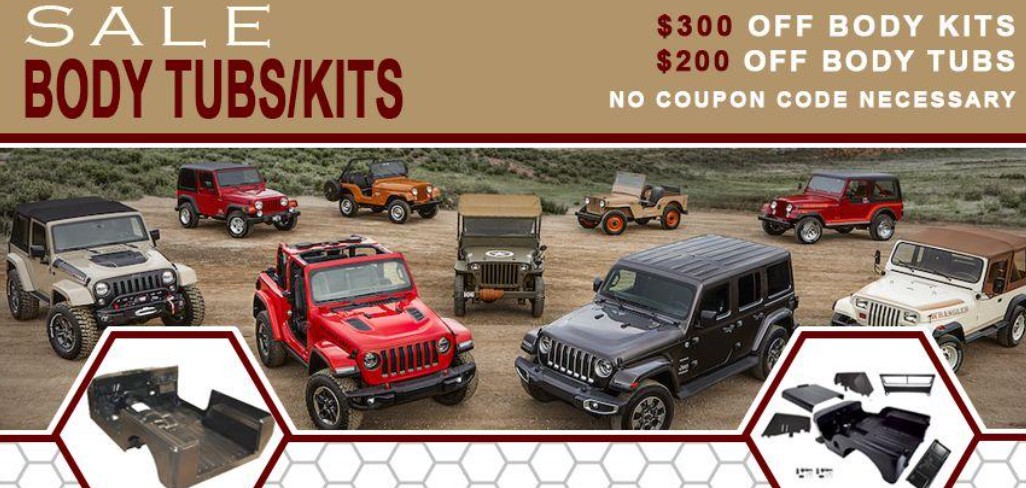
Restoring a classic off-roader often starts with a Jeep CJ5 body tub or a Jeep CJ7 body tub. Rust is the biggest enemy of these old machines. You might find that your original floorboards have turned into Swiss cheese. Or maybe the side panels are too thin to weld anymore. When the metal is gone, a full replacement is often the smartest path forward. Companies like Vintage Jeeps, Inc specialize in helping owners find these parts. They provide the steel you need to bring a legend back to life. This guide will help you understand the differences and what to look for.
What is Vintage Jeeps, Inc?
Vintage Jeeps, Inc is a dedicated supplier of high-quality parts for classic military and civilian Jeeps. They focus on providing accurate components for models like the CJ, MB, and GPW. You can find their full catalog at https://www.vintagejeepparts.com/.
Why Replace the Entire Body Tub?
Many people try to patch rust. They buy small panels and weld them in one by one. This works for small spots. But old Jeeps often have hidden rust in the supports. It hides in the hat channels under the floor. A new Jeep CJ5 body tub solves this problem at once. It gives you a fresh start with solid metal. You won’t have to worry about old rust coming back next year.
A new tub also saves a lot of time. Shaving down old welds is hard work. Aligning multiple patch panels is even harder. A complete tub comes pre-assembled. It aligns the firewall, floors, and rear quarters for you. This makes the rest of your build much smoother.
Understanding the Jeep CJ5 Body Tub
The CJ5 had a very long production run. It started in 1955 and went until 1983. Because of this, not every Jeep CJ5 body tub is the same. Early models have different dashboard layouts than later ones. The fuel filler hole moved around over the decades too.
The Short Wheelbase Challenge
The CJ5 is known for its short wheelbase. This makes it great for tight trails. But it also means the body is compact. You have less room to work with inside the tub. When you buy a replacement, you must check your year model.
Pros of the CJ5 Tub
-
It maintains the iconic “snub-nose” look of the classic Jeep.
-
New steel tubs are often thicker than the original factory metal.
-
It fits perfectly on the original 81-inch wheelbase frame.
-
Most replacements come with a primer coating to prevent rust during shipping.
Cons of the CJ5 Tub
-
The tight door openings make it harder to get in and out.
-
There is very little storage space behind the rear seat.
-
Mounting holes for the roll bar may vary by year.
Comparing the Jeep CJ7 Body Tub
The CJ7 arrived in 1976. It was a response to people wanting more comfort. The Jeep CJ7 body tub is about ten inches longer than the CJ5. This extra length changed everything for Jeep owners. It allowed for an automatic transmission. It also made the ride much more stable on the highway.
The Door Design Change
One of the biggest differences is the door shape. The CJ5 has a “U” shaped door opening. The CJ7 has a squared-off door opening. This allowed for real steel doors and hardtops. If you want a Jeep that is weather-tight, the CJ7 is the better choice.
Pros of the CJ7 Tub
-
The extra length provides much more legroom.
-
Squared door openings allow for a wider variety of tops.
-
It is much easier to mount modern seats in this tub.
-
The 93.5-inch wheelbase makes the vehicle feel more stable.
Cons of the CJ7 Tub
-
The larger size makes it slightly heavier than a CJ5.
-
It requires a longer frame, so it isn’t a direct swap for a CJ5.
-
Original style tailgates can be tricky to align perfectly.
Steel vs. Other Materials
Most enthusiasts prefer steel for their Jeep CJ5 body tub. Steel feels right. It sounds right when you shut the door. Vintage Jeeps, Inc focuses on steel because it stays true to the original design.
Some people look at fiberglass or aluminum. Fiberglass never rusts. That sounds great on paper. But fiberglass can crack over time. It also requires a lot of extra grounding wires for your electronics. Steel is conductive. It makes wiring your lights and gauges much easier.
Aluminum is light and resists rust well. However, it is very expensive. It can also be hard to repair if you dent it on a rock. Steel remains the gold standard for most restorations. It is easy to weld if you want to add custom brackets later.
What to Check Before You Buy
Don’t just click “buy” on the first tub you see. You need to do some homework first. Check your body mount locations. Frames can sag or twist over forty years. You might need to straighten your frame before the new tub will bolt down.
Look at the Tailgate
Some tubs come with the tailgate opening already cut out. Others are “solid back” tubs. If you want a working tailgate, make sure the tub supports it. The hardware for hinges should be reinforced.
Examine the Firewall
The firewall is where most of your headaches happen. It has holes for the steering column and brakes. It also holds the heater box and wiring harness. Some replacement tubs come with these holes pre-cut. Others are blank. A blank firewall lets you choose your own parts. But it also means more drilling for you.
Installation Tips for a Smooth Build
Replacing a body tub is a big job. You will need a few friends or a hoist. A bare steel Jeep CJ7 body tub weighs several hundred pounds. Do not try to lift it alone.
Test Fit Everything
Never paint your tub immediately. You must test fit it on the frame first. Bolt it down loosely. Check the alignment of the fenders and the grill. Make sure the steering column lines up. Once you know it fits, then you can take it off for paint. This prevents you from scratching a beautiful paint job later.
Use New Body Mounts
Don’t reuse forty-year-old rubber mounts. They are likely crushed and brittle. Buy a new kit of polyurethane or fresh rubber mounts. This will help the tub sit at the right height. It also reduces vibrations while you drive.
Maintenance for Your New Tub
Once your new Jeep CJ5 body tub is installed, you want it to last. Modern steel is better than the old stuff. But it still needs care.
-
Use a high-quality seam sealer. This keeps water out of the gaps between panels.
-
Apply an undercoating. This protects the bottom from rocks and road salt.
-
Wash the underside after off-roading. Mud holds moisture against the metal.
-
Keep the drain holes clear. If water sits in the floor, rust will start.
The Verdict: Which One is Right for You?
Choosing between these two comes down to your goal. If you want a classic, nimble trail machine, go with the CJ5. It feels like a piece of history. It looks great with the top off. Just be ready for a tight squeeze in the driver’s seat.
If you plan to drive on the street often, choose the CJ7. The Jeep CJ7 body tub is simply more practical. It fits more gear. It handles better at 60 mph. It also gives you more options for tops and doors.
Both tubs are excellent choices for a project. Vintage Jeeps, Inc can provide the technical advice you need to get started. They know these vehicles inside and out. Restoring a Jeep is a lot of work. But sitting in a brand-new steel tub for the first time makes it worth it. You are not just fixing a car. You are saving a piece of American history.
And if you ever get stuck, just remember to take it one bolt at a time. The community for these Jeeps is huge. You can always find help when you need it.