
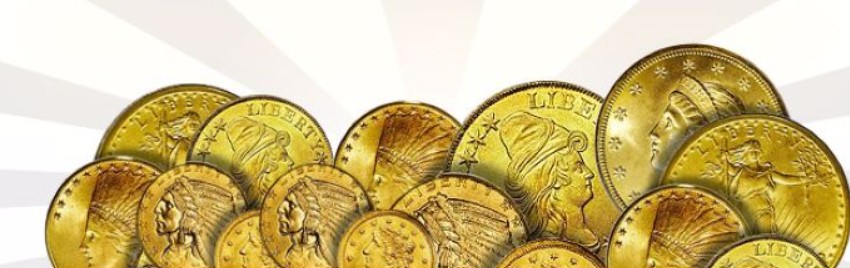
Gold has always been valuable. But not all gold is the same. When you look at US rare gold coins, you’re looking at something special. These aren’t just chunks of metal. They’re pieces of history that you can hold in your hand. Many collectors want to buy rare gold coins because they offer something unique. You get the security of gold plus the added value of rarity and historical significance. This combination makes them stand out from standard bullion or modern coins.
The market for these coins has grown steadily over the years. People realize that owning a piece from the 1800s or early 1900s means owning something that can never be made again. The U.S. Mint stopped producing many of these coins decades ago. That scarcity drives value. And unlike stocks or bonds, you can actually see and touch what you own. There’s something satisfying about that.
What Makes US Rare Gold Coins Valuable
Several factors determine a coin’s worth. Age matters, but it’s not everything. A coin from 1850 might be worth less than one from 1920 if the older coin was minted in huge numbers. Rarity comes from how many were made and how many survived. Coins get lost, melted down, or damaged over time. The ones that remain in good condition become more valuable.
Condition plays a huge role in pricing. Collectors use a grading scale from 1 to 70. A coin graded at 65 or higher is considered gem quality. These pieces show minimal wear and retain most of their original luster. A coin in poor condition might sell for just its gold content. But a high-grade example of the same coin could fetch ten times that amount.
Historical significance adds another layer of value. Coins tied to major events or famous figures often command premium prices. The 1933 Double Eagle is a perfect example. It was never officially released for circulation. Most were melted down. The few that survived became legendary among collectors. One sold for over seven million dollars at auction.
Demand from collectors drives the market too. Popular series like Saint-Gaudens Double Eagles or Indian Head Eagles attract more buyers. Higher demand means higher prices. And when you work with established dealers like Park Avenue Numismatics, you get access to coins that serious collectors want.
Understanding the Different Types of Rare Gold Coins
The United States has minted gold coins in various denominations over the years. Quarter Eagles were worth $2.50 and contained about one-fifth of an ounce of gold. Half Eagles carried a $5 face value with roughly a quarter ounce of gold. Eagles were $10 coins with half an ounce of gold. Double Eagles, the largest denomination, were worth $20 and contained nearly an ounce of gold.
Each denomination had different designs throughout history. The Liberty Head design appeared on coins from the mid-1800s through the early 1900s. Indian Head designs came later, featuring a Native American chief in a war bonnet. The Saint-Gaudens design, considered one of America’s most beautiful coins, appeared on Double Eagles from 1907 to 1933.
Pre-1933 gold coins hold special appeal. In 1933, President Franklin Roosevelt signed an executive order requiring Americans to turn in their gold coins. The government wanted to stabilize the economy during the Great Depression. Most coins were melted down. The ones that survived became instant rarities. Today, these coins are legal to own and highly sought after by collectors.
Commemorative gold coins represent another category. The U.S. Mint produced special issues to mark important events or anniversaries. These coins were made in limited quantities, which adds to their appeal. Many feature unique designs you won’t find on regular circulation coins.
How to Start Building Your Collection
Starting a coin collection doesn’t require a fortune. You can begin with more affordable pieces and work your way up. Many collectors start with common date Saint-Gaudens Double Eagles or Indian Head Eagles. These coins are genuine historical pieces but cost less than major rarities. As you learn more and your budget grows, you can add rarer dates and higher-grade examples.
Education is your best tool when starting out. Learn to recognize authentic coins and spot potential problems. Study grading standards so you understand what you’re paying for. Read books about U.S. gold coinage. Join online forums where collectors share knowledge. The more you know, the better decisions you’ll make.
Work with reputable dealers who have proven track records. Park Avenue Numismatics has built its reputation on authenticity and customer service. They offer coins that have been properly graded and authenticated. This gives you confidence in your purchases. New collectors especially benefit from working with experienced dealers who can answer questions and provide guidance.
Set clear goals for your collection. Some people focus on completing a series, like getting one coin from each year of production. Others collect by design type, trying to own examples of each major design. Still others simply buy what appeals to them without following a specific plan. Any approach works as long as it brings you satisfaction.
The Investment Potential of Rare Gold Coins
Gold coins offer a unique investment opportunity. You get the intrinsic value of gold plus the numismatic value from rarity and condition. When gold prices rise, your coins benefit. But even when gold prices stay flat, rare coins can still appreciate based on collector demand.
Historical data shows that high-quality rare coins have performed well over time. Coins graded MS-65 or higher have shown consistent growth. The rare coin market doesn’t always move with the stock market. This gives you diversification in your investment portfolio. When stocks drop, coins might hold steady or even increase in value.
Liquidity is better than many people think. Major dealers buy and sell coins daily. If you need to convert your collection to cash, you can. The process takes longer than selling stocks, but it’s still relatively straightforward. Coins in popular series with strong collector demand sell fastest.
Tax advantages exist for physical gold coins. They’re classified as collectibles, which has different tax treatment than stocks or bonds. You should consult a tax professional about your specific situation. But many investors appreciate having tangible assets that don’t exist in a bank’s computer system.
Park Avenue Numismatics helps collectors understand the investment side of coin collecting. They provide market insights and help you make informed decisions. Their experience in the field gives you an advantage when building an investment-grade collection.
Authentication and Grading Explained
Authentication confirms a coin is genuine and not a counterfeit. Professional grading services like PCGS and NGC authenticate coins as part of their grading process. They examine weight, dimensions, metal content, and design details. Coins that pass authentication get encapsulated in protective holders with certification labels.
Grading assigns a numerical value to a coin’s condition. The Sheldon Scale runs from 1 to 70. Coins graded 1 through 58 show various levels of wear from circulation. Mint State coins, graded 60 to 70, never entered circulation. They retain their original mint luster. Even small differences in grade can mean big differences in price.
Professional grading removes uncertainty from transactions. When you buy a certified coin, you know exactly what you’re getting. The grading service’s reputation backs the assigned grade. If problems arise, these companies have guarantee programs. This protection is especially valuable for expensive coins.
Raw coins are those not certified by a professional grading service. They might be authentic and properly graded, or they might not. Experienced collectors sometimes buy raw coins to save money. But beginners should stick with certified coins. The small additional cost for certification provides valuable peace of mind.
Understanding grading standards takes time. Study examples of different grades to train your eye. Look at coins in person when possible. Photos don’t always capture the subtle differences between grades. Visit coin shows where you can examine many coins side by side.
Storage and Protection of Your Investment
Proper storage protects your investment. Gold is durable, but it can still be damaged. Scratches, dents, and fingerprints all reduce a coin’s grade and value. Handle coins by their edges only. Never touch the face or reverse of a coin with bare fingers. Oils from your skin can leave marks that won’t come off.
Certified coins in sealed holders need minimal additional protection. The holders themselves provide excellent protection. Store them in a cool, dry place away from direct sunlight. Avoid areas with high humidity or temperature swings. A safe deposit box at a bank offers secure storage for valuable collections.
Raw coins need more careful handling. Store them in proper coin holders designed for long-term preservation. Cardboard holders with Mylar windows work well for lower-value pieces. Higher-value coins deserve archival-quality holders that won’t damage the coin over time. Never use PVC-containing plastics, as they can damage coins.
Insurance protects against loss, theft, or damage. Homeowner’s insurance often has limited coverage for collectibles. You might need a separate policy or rider for your coin collection. Document your collection with photos and receipts. Keep this documentation separate from the coins themselves. If something happens, you’ll need proof of what you owned.
Consider how you’ll pass your collection to heirs. Make sure family members know about your coins and understand their value. Some collectors create detailed inventories with current values. Others work with dealers like Park Avenue Numismatics to establish relationships that can help families when the time comes.
Current Market Trends and Future Outlook
The rare coin market has shown resilience through economic ups and downs. During uncertain times, people often turn to tangible assets like gold coins. This flight to safety supports prices and creates buying opportunities. The COVID-19 pandemic saw increased interest in physical assets as people looked for security.
Younger collectors are entering the market. They bring fresh enthusiasm and different collecting goals. Many focus on high-grade coins rather than trying to complete entire sets. This shift in collecting patterns affects which coins command premium prices. Beautiful, problem-free coins in top grades remain in high demand regardless of market conditions.
Supply constraints continue to support values. No more pre-1933 gold coins will ever be minted. The available pool can only shrink as coins are lost, damaged, or removed from the market by long-term collectors. This fundamental supply limitation creates a strong foundation for values.
International demand adds another dimension to the market. Collectors and investors worldwide compete for quality U.S. gold coins. This global marketplace provides liquidity and supports prices. When one market softens, demand from other regions often provides stability.
Technology has changed how people buy and sell coins. Online marketplaces connect buyers and sellers worldwide. But this convenience comes with risks. Counterfeit coins circulate in online venues. Buying from established dealers with physical locations and strong reputations remains the safest approach for most collectors.
Making Your First Purchase
Start by setting a budget. Decide how much you can comfortably invest without financial stress. Remember that rare coins are long-term holdings. You might own them for years or decades. Only invest money you won’t need for everyday expenses.
Research specific coins that interest you. Learn about different series and designs. Check recent auction results to understand current market values. Price guides provide general information, but actual transaction prices tell you what coins really sell for.
When you’re ready to buy, work with a trusted dealer. Park Avenue Numismatics offers a wide selection of authenticated rare gold coins. They can help you find pieces that fit your budget and collecting goals. Their expertise helps you avoid common beginner mistakes.
Examine any coin carefully before purchasing. If buying in person, use proper lighting and magnification. Look for problems like cleaning, damage, or repairs. These issues significantly reduce value. With certified coins, the grading service has already noted any problems on the certification label.
Understand the dealer’s return policy before buying. Reputable dealers stand behind their products. They offer reasonable return periods if you’re not satisfied. This protection is especially important for newer collectors still learning about coins.
Conclusion: Building Wealth Through Rare Gold Coins
Rare gold coins offer a unique combination of beauty, history, and investment potential. They’ve preserved wealth for generations and will continue doing so. Starting a collection connects you with American history while building tangible assets. The key is education, patience, and working with knowledgeable professionals who can guide your journey. Whether you’re collecting for enjoyment or investment, rare gold coins deserve a place in your portfolio. Take your time, learn continuously, and enjoy the process of building something valuable that you can pass down to future generations.