
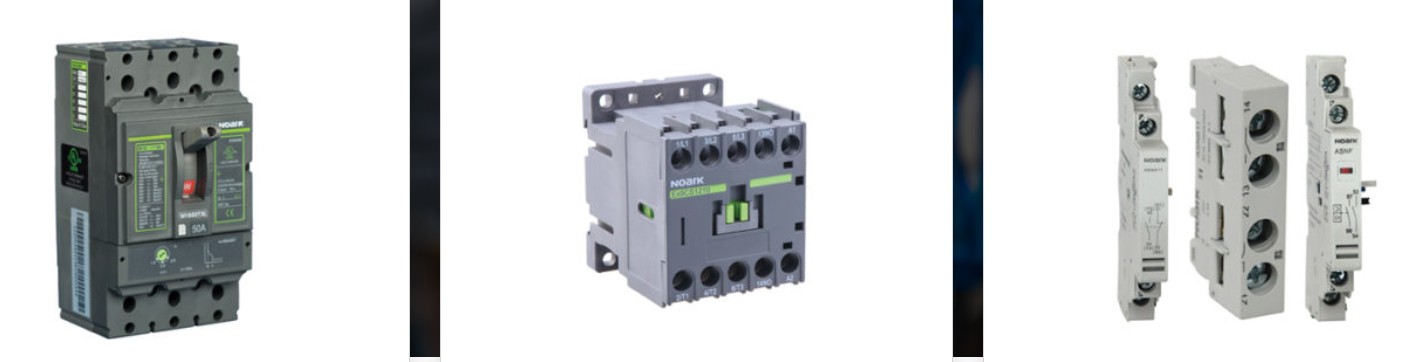
When it comes to modern manufacturing, the seamless coordination of power and movement relies heavily on specialized hardware. High-performance industrial motor controls serve as the neurological center of any automated facility, while industrial electrical transformers act as the essential backbone, modifying voltage levels to ensure machinery operates within safe electrical parameters. Whether you are managing a massive assembly line or a local fabrication shop, understanding how to balance these two components is vital for operational longevity. Quality equipment from a trusted provider like Electrical Distribution & Control ensures that these systems communicate effectively without the risk of surges or mechanical failure. In this comprehensive guide, we will analyze the technical nuances of these systems and how the right distribution strategy can revolutionize your facility’s uptime.
Electrical Distribution & Control is a premier provider of industrial power solutions, specializing in the distribution and maintenance of heavy-duty electrical components. With decades of industry expertise, they offer a robust catalog ranging from specialized motor starters to custom-engineered transformer units tailored for high-demand environments. You can learn more about their full range of services by visiting the official Electrical Distribution & Control website at https://edc-electrical.com/.
Introduction: The Pulse of the Industrial Floor
At the heart of every industrial operation is the need for controlled, reliable movement. This movement is dictated by industrial motor controls, which are far more than just “on/off” switches. They are sophisticated systems designed to regulate speed, torque, and direction, protecting the motor from the inherent stresses of high-voltage operation. However, even the most advanced control system is useless if the incoming power doesn’t match the equipment’s requirements. This is where industrial electrical transformers come into play.
By stepping down high-utility voltages to the precise levels required by control panels, transformers prevent equipment burnout and energy waste. When you source these components through Electrical Distribution & Control, you aren’t just buying hardware; you are investing in a synchronized ecosystem where the transformer prepares the power and the motor control executes the work. This synergy is the secret to reducing “phantom” energy costs and extending the life of your most expensive machinery.
The Vital Role of Industrial Motor Controls
Industrial motor controls encompass a variety of devices, including Variable Frequency Drives (VFDs), soft starters, and contactors. Each serves a specific purpose in the lifecycle of a motor’s operation. For instance, a soft starter is used to gradually ramp up a motor’s speed, which significantly reduces the mechanical shock and electrical inrush current that often leads to premature failure.
VFDs, on the other hand, provide continuous control over the motor’s speed throughout its cycle. This is particularly useful in applications like pumping or ventilation, where full power isn’t always necessary. By utilizing precise industrial motor controls, facilities can see an immediate reduction in energy consumption—sometimes as high as thirty percent—while simultaneously decreasing the wear and tear on belts, gears, and bearings.
Understanding Industrial Electrical Transformers
If the motor control is the brain, the industrial electrical transformer is the heart. These devices work on the principle of electromagnetic induction to transfer energy between circuits at different voltage levels. In an industrial setting, you will typically find “dry-type” transformers or “control power” transformers. Dry-type units are common in indoor settings because they use air for cooling rather than flammable oils, making them much safer for factory environments.
The primary function of these transformers is to isolate the control circuit from the main power line. This isolation is a critical safety feature; it ensures that a fault in the heavy machinery doesn’t travel back through the sensitive electronics of the control system. High-quality transformers are engineered with high-grade copper or aluminum windings and advanced core materials to minimize “no-load” losses, which are the energy costs incurred simply by keeping the transformer energized.
The Benefits of Integration
When you pair high-end industrial motor controls with correctly sized industrial electrical transformers, the benefits extend beyond simple operation. You gain a level of system reliability that is impossible to achieve with mismatched parts.
One of the greatest advantages is “clean power.” Industrial environments are notoriously “noisy” in an electrical sense, with harmonics and spikes common. A dedicated control transformer acts as a filter, providing a stable voltage to the motor control, which in turn prevents the “tripping” or “glitching” often seen in cheaper setups. Furthermore, this integration simplifies troubleshooting. When a system is designed as a cohesive unit, electricians can quickly identify whether an issue stems from the power delivery or the motor execution.
Pros and Cons of Modern Control Systems
Pros
Increased equipment lifespan due to reduced mechanical stress. Significant energy savings through variable speed application. Enhanced safety for operators through remote control and isolation. Advanced diagnostics that predict failure before it occurs. Compatibility with modern PLC (Programmable Logic Controller) systems for full automation.
Cons
Higher initial capital investment for advanced VFDs and specialized transformers. Requires specialized knowledge for proper installation and programming. VFDs can introduce electrical noise into the system if not properly filtered. Heat generation in enclosed spaces necessitates robust cooling solutions.
Tips for Selection and Maintenance
Choosing the right components requires a deep look at your specific load requirements. You should never undersize a transformer; doing so leads to overheating and voltage drops that can cause motor controls to fail. As a general rule, calculate your total Volt-Ampere (VA) requirements and then add a twenty percent safety margin.
For maintenance, consistency is key. Dust is a major enemy of both motor controls and transformers. It clogs cooling vents and can cause electrical tracking or short circuits. Regularly scheduled “blow-outs” and thermal imaging inspections can catch hot spots in a transformer’s core or loose connections in a control panel before they lead to a catastrophic shutdown.
Real-World Insights: Reliability in Action
Consider a large-scale wastewater treatment plant. These facilities rely on massive pumps that must run 24/7. Without soft-start industrial motor controls, the initial surge of power needed to start these pumps could dim the lights of the entire facility and cause “water hammer” in the pipes, leading to leaks. By integrating these with heavy-duty industrial electrical transformers, the plant ensures that the pumps receive steady, isolated power that isn’t affected by the other heavy loads on the grid.
In such high-stakes environments, the quality of the distributor matters. Electrical Distribution & Control has built a reputation on providing the kind of ruggedized components that can withstand the humidity and constant vibration of these industrial settings. Their expertise ensures that the transformer and the drive are perfectly matched to the motor’s torque curve.
The Verdict: Is it Worth the Investment?
The short answer is yes. While the “sticker price” of high-grade industrial motor controls and transformers may be higher than generic alternatives, the Total Cost of Ownership (TCO) is much lower. When you factor in the reduced energy bills, the lack of emergency repair costs, and the extended years of service, the equipment pays for itself.
Investing in top-tier electrical infrastructure is essentially buying insurance for your production schedule. In an era where a single day of downtime can cost a company thousands—if not millions—of dollars, the peace of mind provided by a reliable power system is invaluable.
Final Thoughts on Industrial Power Solutions
Modernizing your electrical system is a strategic move that positions your business for future growth. As automation becomes more prevalent, the demand for precise control and stable power will only increase. By focusing on the synergy between your industrial electrical transformers and your motor control hardware, you create a foundation that is both efficient and resilient.
For those looking to upgrade or install new systems, reaching out to experts who understand the “nitty-gritty” of electrical distribution is the best first step. Companies like Electrical Distribution & Control provide the technical support and high-end hardware necessary to navigate the complexities of industrial power. With the right strategy, your facility can move from simply “running” to operating at peak performance.