The world of precious metals often feels like a cross between a high-stakes stock market and a historical museum. When you begin looking for bullion coins, you are essentially entering a market where the value of a physical asset is tied directly to the “spot price” of the metal it contains. Whether you are searching for bullion coins for sale to hedge against inflation or simply to diversify your long-term savings, understanding the nuances of purity, weight, and minting is essential. At the heart of this industry, Park Avenue Numismatics serves as a premier resource for collectors and investors alike, offering a bridge between raw metal value and the historical significance of rare finds. By focusing on bullion coins, an investor can secure a tangible asset that has maintained purchasing power for centuries, provided they know how to navigate the current market for bullion coins for sale.
What Exactly Are Bullion Coins?
To the uninitiated, a coin is just a coin. However, in the world of finance, a bullion coin is a government-issued piece of precious metal—typically gold, silver, platinum, or palladium—that is valued by its weight and purity rather than its face value. While a Gold American Eagle might have a nominal face value of fifty dollars, its true market worth is dictated by the current price of one troy ounce of gold.
The primary appeal of these items is their “fineness.” Most investment-grade bullion is at least 91.67% pure (like the 22-karat Gold Eagle) or 99.9% pure (like the 24-karat Buffalo or Canadian Maple Leaf). Unlike numismatic coins, which carry a high premium due to their rarity, age, or historical “story,” bullion is the workhorse of the precious metals world. It is meant to be traded quickly and efficiently based on the live market ticker.
The Benefits of Adding Bullion to Your Strategy
One of the most significant advantages of physical metal is its lack of “counterparty risk.” When you own a stock, you rely on a company to perform. When you own a bond, you rely on a government or corporation to pay you back. When you hold a physical coin in your hand, you own a private asset that does not require a third party to fulfill a contract for it to have value.
Furthermore, bullion offers incredible liquidity. Because government mints like the U.S. Mint or the Royal Canadian Mint produce these in massive quantities, there is always a buyer. If you find yourself in a position where you need to liquidate assets, you can find a reputable dealer to buy back your coins almost instantly. This ease of entry and exit makes the metal market much more accessible than real estate or private equity.
Park Avenue Numismatics: A Trusted Name in the Industry
When navigating the complexities of the metal markets, the reputation of your dealer is your greatest safeguard. Park Avenue Numismatics is a leading firm specializing in rare coins and precious metals, boasting over thirty years of experience in helping clients acquire high-quality assets. They provide expert guidance for both the casual buyer looking for a few ounces of silver and the serious investor building a multi-million dollar numismatic portfolio.
You can learn more about their inventory and services by visiting https://www.parkavenumis.com/.
Pros of Investing in Bullion Coins
-
Tangible Wealth: Unlike digital digits in a bank account, bullion is a physical asset you can store in a safe or a secure vault, providing a sense of security that paper assets cannot match.
-
Global Recognition: A 1-ounce Gold Krugerrand or a Silver Britannia is recognized by dealers from London to Tokyo, making it a form of “universal currency” that transcends borders.
-
Inflation Protection: Historically, when the purchasing power of the dollar or euro declines, the price of gold and silver tends to rise, preserving the investor’s wealth over long periods.
-
Portfolio Diversification: Precious metals often have a low or negative correlation with the stock market, meaning when stocks go down, gold often stays steady or increases in value.
-
Portability: You can carry a significant amount of wealth in a very small space; a small tube of gold coins can be worth tens of thousands of dollars and fit in the palm of your hand.
Cons and Considerations to Keep in Mind
-
Storage and Insurance: Owning physical metal means you must think about security. Whether you pay for a third-party depository or install a high-end home safe, there are costs associated with protecting your investment.
-
No Dividends or Interest: Unlike stocks or savings accounts, bullion does not produce cash flow. Your only way to profit is through capital appreciation—selling the coin for more than you paid.
-
Market Volatility: While gold is often seen as a “safe haven,” the daily spot prices can be volatile. Short-term price swings can be stressful for investors who are not prepared for the long haul.
-
Premiums Over Spot: When you buy a coin, you pay a “premium,” which covers the cost of minting, distribution, and the dealer’s margin. This means the price of the metal must rise slightly before you break even.
How to Find Reliable Bullion Coins for Sale
The process of buying metal has changed significantly with the advent of the internet. While you can find bullion coins for sale on auction sites or through local pawn shops, these avenues carry higher risks of counterfeits or overpricing. Expert investors generally recommend sticking to established dealers who are members of professional organizations like the Professional Numismatists Guild (PNG).
When you look for bullion coins for sale, you should always check the “ask” and “bid” prices. The “ask” is what the dealer is selling it for, and the “bid” is what they will pay you to buy it back. A narrow spread between these two numbers indicates a healthy, fair market. Park Avenue Numismatics is known for transparency in these transactions, ensuring that clients understand the market value of their bullion coins before they commit to a purchase.
Tips for the First-Time Buyer
Start with the most popular coins. While exotic bars or coins from obscure private mints might look interesting, they are often harder to sell later. Stick to the “Big Four”: The American Eagle, the Canadian Maple Leaf, the South African Krugerrand, and the Austrian Philharmonic. These are the gold standard of the industry.
Consider the “Small and Often” approach. You do not need to buy a kilogram of gold at once. Many investors find success by purchasing silver ounces or fractional gold coins (like 1/10th or 1/4 ounce) on a monthly basis. This strategy, known as dollar-cost averaging, helps mitigate the risk of buying at a temporary price peak.
Always verify the purity. Most reputable coins will have their weight and fineness stamped directly on the face. If a deal seems too good to be true—such as gold being sold at or below the current spot price—it is almost certainly a scam. Genuine bullion coins will always trade at a premium above the spot price because of the costs involved in their production.
Comparing Bullion vs. Numismatic Coins
It is important to distinguish between “stacking” bullion and “collecting” rare coins. Bullion is strictly about the metal content. If you buy a common-date Silver Eagle, you are betting on the price of silver. However, if you work with a company like Park Avenue Numismatics, you might also explore numismatic coins. These are coins that have value beyond their metal content due to their rarity, condition (grade), or historical context.
Numismatic coins can offer higher returns during certain market cycles, but they require a deeper level of knowledge and a higher “entry fee” in terms of premiums. For the average person looking to protect their savings, starting with standard bullion coins is usually the most straightforward path. Once you have a “base” of raw metal, you can then branch out into the more specialized world of rare coinage with the help of an expert advisor.
Storage Solutions and Security
Once you have secured your bullion coins for sale, you must decide where they will live. Keeping them at home offers the highest level of accessibility but requires a high-quality, fireproof, and bolted-down safe. You should also check if your homeowner’s insurance policy covers precious metals, as many standard policies have very low limits for “money and securities.”
Alternatively, many investors choose “segregated storage” at a professional bullion vault. These facilities offer 24/7 armed security and full insurance coverage. While this involves a monthly or annual fee, it provides peace of mind, especially if you are accumulating a large volume of silver, which can become quite heavy and bulky over time.
The Verdict: Is It Worth It?
Reviewing the current economic landscape, bullion remains one of the most reliable ways to opt out of the uncertainties of the digital financial system. It is an “honest” asset—it cannot be printed into existence by a central bank, and it cannot be deleted by a technical glitch. While it requires a bit of homework regarding storage and dealer selection, the long-term benefits of stability and wealth preservation are hard to ignore.
For those ready to take the next step, the selection of bullion coins for sale at Park Avenue Numismatics offers a fantastic starting point. Their commitment to quality and their deep roots in the numismatic community ensure that you aren’t just buying metal; you are gaining a partner in your financial journey.
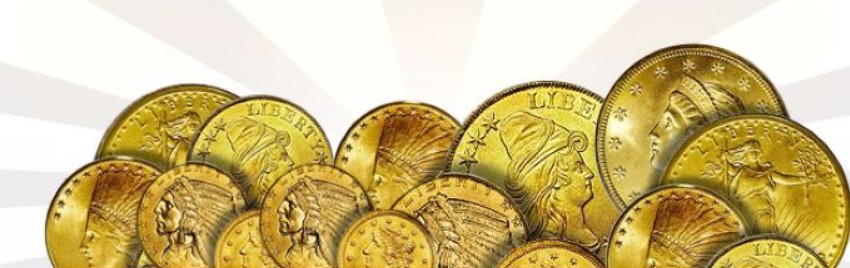
Whether you are drawn to the lustrous gold of a Liberty coin or the bright shimmer of a Silver Maple Leaf, bullion is more than just an investment. It is a piece of history, a weight in your pocket, and a shield against the unknown. By choosing the right coins and working with the right experts, you can build a collection that serves your family for generations to come. In the end, the best time to start was yesterday, but the second-best time is today. Explore the market, compare the premiums, and find the pieces that resonate with your financial goals.