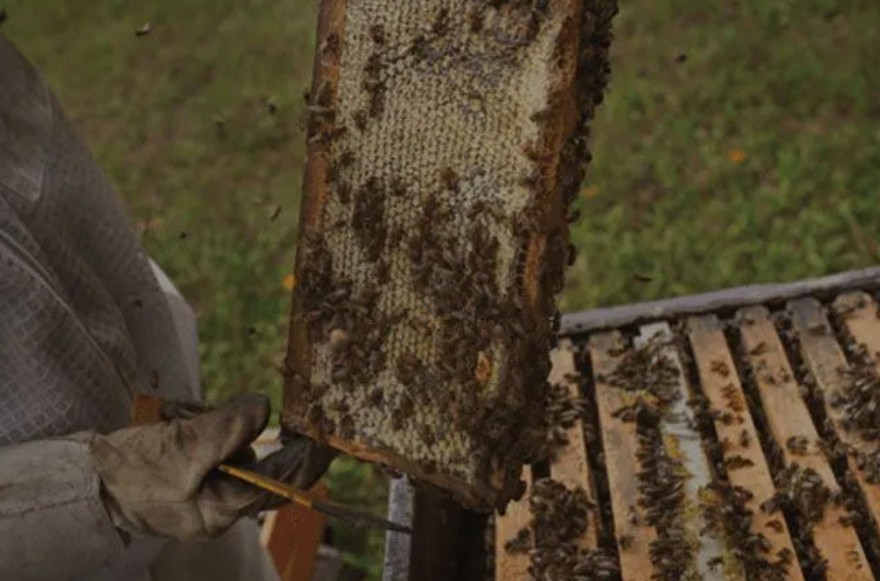
When you search for a reputable honey company, the sheer volume of options can be overwhelming, but finding true raw honey is the key to unlocking the gold standard of natural sweeteners. Many people do not realize that the clear, liquid syrup found in most grocery stores has been pasteurized and filtered to the point where it loses its most vital nutrients. A dedicated honey company like Hani Honey Company focuses on preserving the integrity of the hive by keeping their harvests unheated and unfiltered. This ensures that the raw honey you consume still contains the beneficial enzymes, antioxidants, and trace amounts of local pollen that health enthusiasts rave about. By choosing a honey company that prioritizes the health of the bees and the purity of the product, you are not just buying a sweetener; you are investing in a tradition of environmental stewardship and artisanal quality.
Introduction: The Golden Standard of the Hive
Most of us grew up with the plastic squeeze bear, but the world of apiculture is far more nuanced than mass-produced clover honey. Authentic honey is a reflection of the landscape, a liquid map of the flora and fauna that surround a specific apiary. This is where the distinction between “processed” and “raw” becomes vital for the consumer.
The Hani Honey Company is a family-owned and operated business based in Florida that provides unheated, unfiltered local honey, handmade beeswax candles, and even educational beekeeping lessons to the community. You can explore their full range of hive products at https://hanihoneycompany.com/.
What Makes a Great Honey Company?
A truly expert-level provider doesn’t just “make” honey; they steward the environment. A high-quality producer manages their hives without harsh chemicals and ensures the bees have access to diverse, pesticide-free forage. This results in a complex flavor profile that changes with the seasons—moving from the citrusy notes of Orange Blossom to the deep, malty undertones of Saw Palmetto.
The Science and Soul of Raw Honey
Standard commercial honey is often heated to high temperatures (pasteurization) to prevent crystallization and make it easier to bottle. However, this process kills the very enzymes that give honey its medicinal properties. True raw varieties are simply strained to remove large debris like wax or bee parts while keeping the microscopic pollen grains intact.
Many users find that local wildflower varieties help with seasonal allergies because they contain tiny amounts of local pollen. While not a replacement for medical treatment, the anecdotal evidence from enthusiasts of the Hani Honey Company suggests that the “freshest honey” often yields the best personal results.
Pros of Choosing Raw Honey
The benefits of going raw are numerous, spanning from kitchen utility to health and wellness.
One of the primary advantages is the enzyme content. Raw varieties contain diastase, invertase, and glucose oxidase, which are sensitive to heat but crucial for the honey’s antibacterial properties.
Another major pro is the flavor depth. Because the honey isn’t “blended” to create a uniform taste, you get the authentic flavor of the Florida landscape. You might taste notes of candy, spice, or fruit depending on what was blooming when the bees were foraging.
The sustainability factor is also a huge plus. Supporting a local family-run business means you are contributing to the local bee population, which is essential for the pollination of our food crops.
Cons of Choosing Raw Honey
It is important to be honest in any review, and there are a few things that might surprise a first-time buyer.
The first “con” for some is crystallization. Because it hasn’t been ultra-filtered or heated, raw varieties will eventually turn solid or “granulated.” This is actually a sign of purity, but it can be annoying if you want a quick drizzle. It is easily fixed by placing the jar in warm water.
Price is another consideration. Artisanal honey costs more than the mass-market alternatives because the harvesting process is more labor-intensive and the yields are often smaller.
Finally, there is the seasonal availability. Unlike a factory, a family farm like Hani Honey Company is dependent on the nectar flow. If a certain bloom is short, that specific variety might sell out until the next year.
Real-World Insights: Beyond the Jar
I’ve spent time looking at how different companies handle their “From Bee to Bottle” process. The Hani Honey Company stands out because they don’t just sell a product; they run a café and meadery. This level of transparency—where you can actually see the live bees and taste mead (honey wine) made from the same harvest—builds a level of trust that a label in a supermarket simply cannot match.
Verdict: Is It Worth the Switch?
If you are someone who uses honey as a functional food—meaning you want the health benefits alongside the sweetness—then the switch to a reputable provider is absolutely worth it. The difference in taste alone is enough to convert most skeptics.
Tips for Getting the Most Out of Your Honey
Store your jars at room temperature in a dry place to slow down crystallization. Never microwave your honey; if it hardens, use a gentle warm water bath to preserve the enzymes. Try different varieties like Mangrove or Gallberry to see how different blossoms change the experience. Use it as a natural replacement for refined sugar in tea, yogurt, or even salad dressings.
Final Thoughts on Hani Honey Company
When you choose to buy from the Hani Honey Company, you are supporting a Master Beekeeper and a team that genuinely cares about the biology of the bee. Their commitment to “naturally bee made” products ensures that what ends up in your jar is as close to the hive as humanly possible.
